Matrizes e mapas de hash – como a IA armazena e recupera dados
Esta lição foi traduzida automaticamente para português e ainda não foi revisada por uma pessoa. Se algo parecer estranho, a versão em inglês é a definitiva.
Por que o armazenamento de dados é importante na IA
Todo sistema de IA precisa armazenar e recuperar dados – rapidamente. Quer seja uma lista de valores de pixel em uma imagem, um vocabulário de 50.000 palavras ou milhões de preferências do usuário, a escolha da estrutura de dados determina a rapidez com que sua IA pode pensar.
Duas estruturas dominam: matrizes e mapas hash. Domine-os e você terá a base para quase todos os pipelines de IA.
Arrays - Listas ordenadas com acesso instantâneo
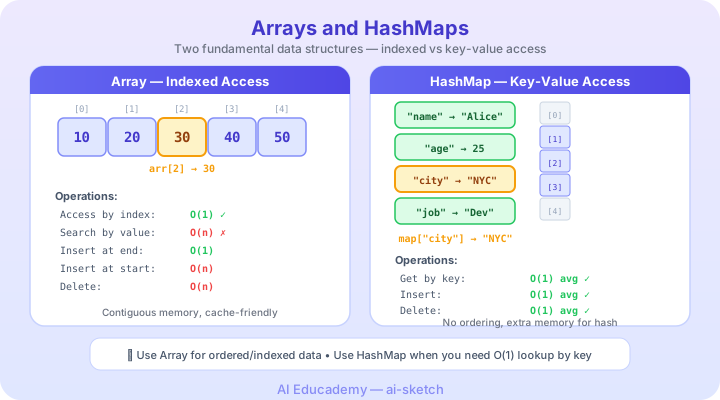
Um array é simplesmente uma lista numerada de itens armazenados lado a lado na memória. Cada item possui um índice - sua posição na lista, começando do zero.
index:   0       1       2       3       4
value: ["cat", "dog", "bird", "fish", "frog"]
Como os itens ficam próximos uns dos outros, você pode pular direto para qualquer posição. Quer o item 3? Pronto - não é necessária pesquisa. Esse é o acesso O(1), o que significa que leva o mesmo tempo se a matriz contém 10 itens ou 10 milhões.
Quando os arrays brilham
- Vetores de características: uma imagem pode ser representada como uma matriz de 784 números (28×28 pixels), cada um contendo um valor de brilho.
- Incorporações: modelos de linguagem armazenam significados de palavras como matrizes de centenas de números de ponto flutuante.
- Processamento em lote: os dados de treinamento são carregados em matrizes para que a GPU possa processar milhares de exemplos simultaneamente.
A captura
Inserir ou remover itens no meio é caro. Cada item após a alteração deve ser embaralhado. Isso é O(n) - quanto mais itens, mais tempo leva.
Se você tivesse uma lista de reprodução de 10.000 músicas e quisesse inserir uma nova faixa na posição 5, todas as músicas da posição 5 em diante precisariam ser alteradas. Como um serviço de streaming pode lidar com isso sem desacelerar?
Mapas Hash - Pesquisas instantâneas por nome
Um mapa hash (também chamado de dicionário ou tabela hash) armazena dados como pares de valores-chave. Em vez de acessar itens por número de índice, você os acessa por meio de uma chave significativa.
Discussão
Inicie sessão para participar na discussão